2026 Trend Report: Florida
.svg)
.svg)
Transcript
We’re here for Florida
Florida thrives on progress and optimism. As we move into 2026, our teams across the state see that momentum continuing with opportunities that are moving faster and becoming more complex than ever.
With a population topping 22–23 million and one of the fastest-growing state economies in the U.S., the impact of facility performance can ripple quickly across regions and sectors.
As healthcare networks expand, aerospace and defense operations scale, and data and industrial facilities move into new corridors, facility leaders face a future shaped by constant demand and tighter operational tolerances.
For facilities in the Sunshine State, the future will be shaped by how well systems perform under pressures ranging from extreme weather and rising energy loads to higher expectations for reliability, safety, and uptime. The challenges are real, but so is the opportunity to set a higher standard.
ABM’s work across the state gives our teams a unique vantage point to help our clients identify shifting market needs and build more intelligent, responsive operations. Each day, thousands of ABM team members support clients in healthcare, aviation, education, manufacturing, commercial real estate, and aerospace.
From predictive maintenance to climate resilience planning and energy optimization, we’re partnering with businesses in Orlando, Tampa, Miami, and municipalities throughout Florida—to anticipate risk, adapt operations, and keep critical environments running—day in and day out.
This report, informed by insights from across the state, highlights the trends we believe will shape the next chapter of facility performance in Florida and beyond.
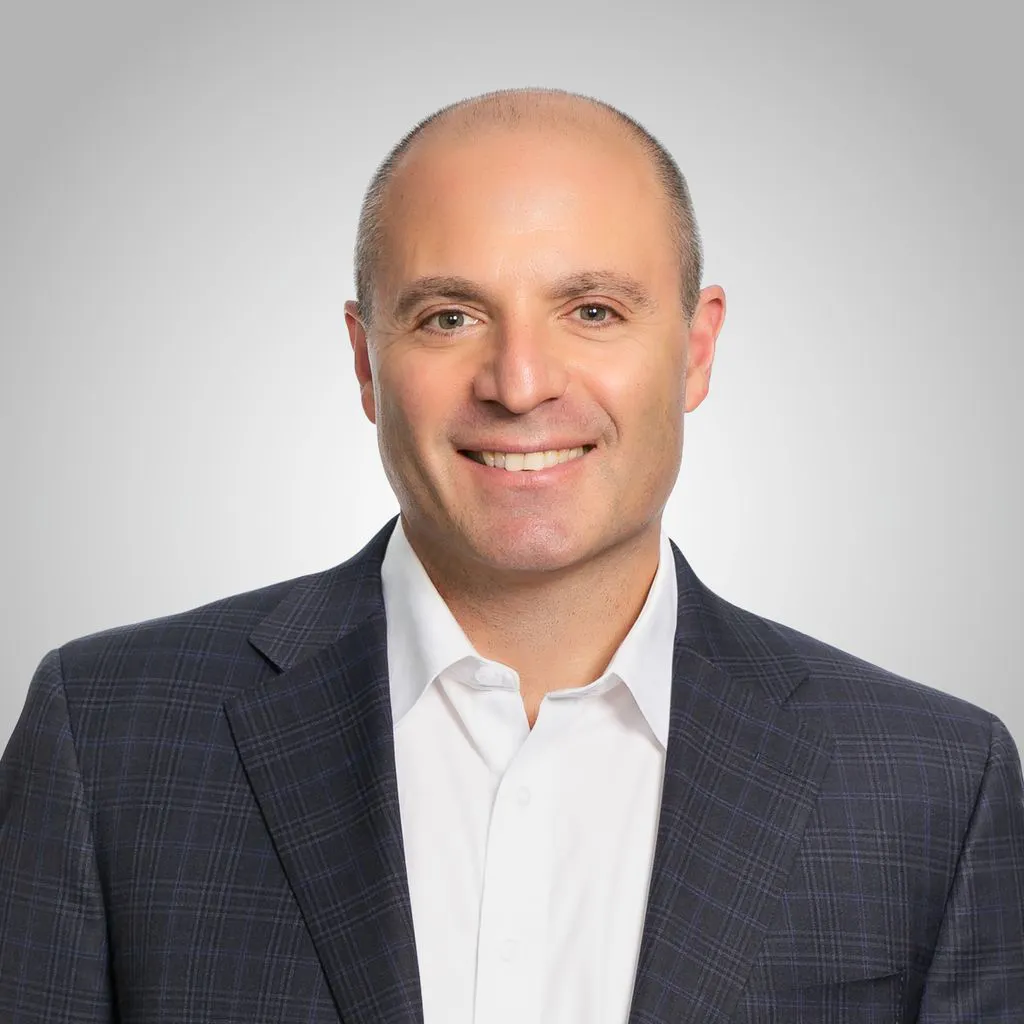
Scott Salmirs
President & CEO, ABM Industries

Progress, precision, and what’s next
How Florida facilities can stay ahead of sustained expansion and operational intensity
For Florida, industry growth is a fact of life. Now, in 2026, that momentum is reshaping facility operations and KPIs. Across the state, buildings are expected to perform at higher levels, for longer hours, and under more stress than they were designed for.
The difference isn’t just in volume of work, but in margin of error. In many Florida facilities, downtime is an acute concern—it can disrupt patient care, delay missions, interrupt production, or put safety at risk.
The conversations we’re having with facility clients are changing. Five years ago, many had facility services set on autopilot. Today, the focus is on outcomes, measurable KPIs, and leveraging data and tech as we partner with clients to make more informed decisions.
We’re seeing this across industries—from Class A commercial real estate to high-growth sectors in Florida cities of all sizes.
Aerospace and defense operations along the Space Coast are increasing technical complexity and regulatory demands. Organizations are looking for experienced partners who can help navigate compliance, operational precision, and long-term infrastructure performance.
Healthcare systems are expanding outpatient networks, accelerating the development of ambulatory, imaging, and specialty clinics. These facilities require hospital-grade reliability within smaller, more distributed footprints.
Data infrastructure and advanced manufacturing are moving into new corridors, elevating facility requirements. These environments demand higher reliability, tighter controls, and infrastructure capable of supporting complex, always-on operations.
Energy demand is climbing as buildings rely on more automation, digital systems, and electrified equipment. Even in a relatively stable energy market, capacity and continuity are becoming strategic concerns.
Weather is a constant factor. Heat, humidity, flooding, and coastal exposure are influencing everything from equipment life cycles to staffing models and emergency response planning.
In response, facility leaders are moving beyond reactive maintenance and isolated upgrades. We’re seeing greater system redundancy, continuous monitoring, standardized protocols across portfolios, and closer coordination between facility, clinical, technical, and security teams. The line between “building operations” and “core business operations” continues to blur.
Organizations that will succeed in Florida’s next phase are treating facilities as mission-critical infrastructure—planned, staffed, and operated with the same discipline as the work they support. ABM is here for it.
Neema Moughari is Branch Manager for ABM Industries in Central and North Florida. He oversees ABM operations for aerospace, advanced manufacturing, and commercial real estate clients. Collaborative and data-driven, he helps facilities adapt and innovate.
Joseph Ingham is Sales Leader for ABM in Florida. Joe builds long-term partnerships, working closely with healthcare, industrial, and commercial clients to improve system reliability, comfort, and performance.
Paul Vucish is Director of Education Solutions at ABM. For over two decades, he’s helped K–12 districts and higher-education institutions in Florida and the Southeast optimize operations and campus experiences.
About this report
Grounded in market data and firsthand client engagement across industries, the ABM Florida team has identified the trends shaping the state’s future—equipping organizations to make more informed, strategic decisions for 2026 and beyond.
Our 4,430+ team members in Florida are dedicated to providing maintenance to 613 facilities, including SpaceX, Blue Origin, the University of Miami, and Orlando, Tampa, and Miami International Airports.

FACILITIES ENGINEERING
We’ve helped multiple facilities achieve LEED Certification
DATA CENTERS
4GW+ of data center capacity managed
HVAC & MECHANICAL
4,000+ heating and cooling systems serviced and maintained
LANDSCAPE & TURF
200+ properties maintained
Space, aerospace, and defense facilities expand technical complexity
Florida’s Space Coast and aerospace corridors remain among the fastest-growing operational environments in the state. In 2026, we expect space launch companies, aerospace manufacturers, and major defense contractors to expand—driving demand for mission-critical facility operations, strict regulatory oversight, and high-precision environmental control.
Launch pads, propulsion testing sites, R&D facilities, and secure manufacturing environments require specialized cleaning, advanced HVAC, controlled ventilation, precision monitoring, and detailed coordination with security and compliance teams.
Defense-sector operations demand tight control over access, documentation, and environmental conditions. As these facilities modernize, they are integrating more automation, robotics, and digitally connected systems that warrant mechanical and cyber oversight.
Our clients in this sector maintain high readiness levels for rapid weather changes, storm impacts, and emergency response during launch windows.
Overall, we’re seeing growing needs in a few key areas:
Mission-critical redundancy: Backup power, dual-loop mechanical systems, and environmental fail-safes are essential for launch and defense operations.
Specialized technical expertise: These environments require maintenance technicians and specialists trained for secure facilities, precision tolerances, and aerospace-grade standards.
Greater regulatory integration: Real-time compliance with classified protocols and federal requirements dictates many aspects of facility workflows and staffing, especially those governed by ITAR and other regulatory frameworks.
Weather and emergency resilience: Rapid-response capabilities and storm-hardening are essential for coastal aerospace sites.
In addition to these critical priorities, many facilities are seeking partners who can manage shuttle services, recycling, storm cleanup, and other non-core tasks to keep operations focused.
FOR DECISION MAKERS:
Protocols and tolerances in this sector are the most exacting you will face. Facility leaders must invest in tightly coordinated operations, infrastructure resilience, and highly trained specialty teams.
Healthcare and life sciences move toward high-reliability operations
Healthcare is one of the fastest-growing sectors in Florida, driven by population growth, expanded service lines, and increased demand for outpatient and specialty care.
In 2026, we expect hospitals, medical office buildings, clinics, and research environments to operate with a stronger focus on high-reliability performance and environmental stability.
Our work with healthcare facilities across Florida highlights the rising importance of mechanical reliability, advanced filtration, and operational integration. Chiller and boiler systems are receiving heightened attention as leaders seek to reduce failures that can lead to incidents from canceled appointments to disruptions in patient care or delays in research.
For clinics and practices, excess humidity affects imaging equipment, medical office electronics, and sterility-sensitive workflows. Aging systems in legacy medical complexes struggle under the Florida heat. For facilities serving immunocompromised patients, air exchanges and filtration are top priorities, as well as mitigating mold and microbial growth.
We’re seeing expansion in life sciences and biotech firms, especially in Tampa, Orlando, Palm Beach, and surrounding regions. These facility environments require precise temperature, humidity, air pressure, and cleaning protocols to maintain integrity and meet regulatory standards. Specialized technical training is needed for clean rooms and lab environments to meet compliance and capability requirements.
As the year unfolds, our teams are planning for:
Greater emphasis on sterility and clinical precision, with facilities applying enhanced cleaning, HEPA filtration, and pressure-controlled environments to support patient safety.
Growing need for cohesive facility programs and distributed campus oversight across growing networks of outpatient sites and office buildings.
Greater integration of facility and clinical operations, with facility leaders blending environmental services, building engineering, and infection prevention into coordinated workflows.
As outpatient clinics, medical offices, and labs continue to expand, property owners are expected to adopt consistent protocols across multiple locations. For many, elevating from office standards to clinical-grade facility standards is a dramatic shift.
FOR DECISION MAKERS:
High-performance environments are central to clinician satisfaction, patient well-being, and facility growth. Focus on mechanical system upgrades, environmental controls, and well-trained facility specialists to achieve clinical-grade operations.
Extreme weather hardening remains nonnegotiable in Florida
The state’s exposure to hurricanes, heat waves, inland flooding, and salt-air corrosion continues to intensify. As organizations seek year-round reliability and resilience, weather hardening is an imperative.
Many of our clients now treat storm preparation and climate adaptation as core components of facility strategy. Some organizations are relocating sensitive operations inland, requiring transitional facility strategies.
For 2026, we expect increased attention to heat-stress mitigation for occupants and operations staff. Outdoor work areas, loading zones, parking structures, and semi-enclosed environments must be designed to reduce risk during prolonged heat events.
Forward-thinking facility leaders are responding to the region’s weather patterns with strategic investment designed to safeguard ongoing performance.
Structural reinforcement remains central, with organizations investing in building retrofits and water intrusion protection to withstand stronger storms. Infrastructure upgrades, including strengthened building envelopes, roofs, and drainage systems, are becoming standard in the face of severe storm conditions.
Mechanical and electrical systems require greater protection, particularly in coastal markets where corrosion can accelerate failure rates. We’re seeing more facilities incorporate weatherproofing, corrosion-resistant materials, and elevated equipment placement to prevent failures.
Backup power strategies are expanding to ensure resilience during outages. Robust power continuity planning is now an SOP. Facilities are implementing layered backup power, including generators, batteries, microgrid components, and diversified fuel sources.
In addition to facility systems, organizations are prioritizing rapid response capabilities, including post-storm cleanup, debris removal, and reactivation support.
FOR DECISION MAKERS:
Weather-related disruption is a predictable risk. Facilities that invest in resilience—structural, mechanical, and operational—will protect uptime, maintain safety, and preserve long-term asset value.
Rising energy demand drives new efficiency and resilience strategies
Florida remains one of the nation’s most cost-stable and business-friendly energy markets. Yet, there’s a growing challenge: the sheer increase in energy demand. In 2026, modern buildings and facilities must provide more power to more equipment, automation, digital infrastructure, and electrified systems than ever before.
Across properties, campuses, healthcare facilities, airports, and industrial sites, we see year-over-year increases in load intensity as organizations scale and occupant expectations rise. At the same time, data rooms, EV chargers, building automation systems, and monitoring technologies contribute to a baseline load that cannot be offset by simple retrofits alone.
Energy consumption is now an operational KPI. Many facilities are shifting to continuous energy optimization— blending real-time visibility, predictive control, and infrastructure investment.
Central plant upgrades, system rebalancing, and advanced controls are now essential in maintaining system stability. On-site generation, such as solar-plus-storage, is being adopted to address resiliency needs and demand spikes.
Facilities are deploying advanced automation—BAS platforms, IoT sensors, and real-time analytics—to know exactly when and where energy is being used and how to reduce unnecessary load.
Aging HVAC, chiller, and pumping systems are being replaced with high-efficiency units to address growing operational intensity without compromising comfort or reliability.
Many organizations are integrating battery storage and microgrid-capable infrastructure for continuity during outages and to support peak-shaving strategies.
Over the next decade, we see energy planning becoming a long-term strategic discipline, with Florida facilities evaluating how load growth will shape budgets, staffing, and capital investment.
FOR DECISION MAKERS:
Rising demand is reshaping how Florida facilities manage energy. Invest in efficient systems, smarter controls, and resilient power strategies to support growing workloads.
Case Study: Saving energy and millions in overhead
Challenge
BrandsMart USA wanted to improve energy efficiency and lower carbon footprints across multiple South Florida facilities—while enriching customer and employee experiences. ABM assessed the challenge through extensive inspections of company facilities and energy usage.
Solution
With low-cost financing through the Florida Green Energy Works’ Property Assessed Clean Energy (PACE) Program and investment from ownership, ABM installed new HVAC systems, building controls, a new roof, and state-of-the-art LED lighting.
Results
Through ABM’s Energy Performance Contracting program, lighting, HVAC, and other energy-efficient upgrades, BrandsMart USA decreased utility consumption enough to cover the project’s upfront costs.
The company has saved about $2 million per year, exceeding guaranteed savings by 28 percent. Over the next 10 years, it will save over $18 million.
Data centers and advanced manufacturing expand into new Florida corridors
Florida’s industrial and digital infrastructure footprint is growing rapidly, particularly in regions outside the traditional Orlando and Tampa hubs.
In 2026, we expect to see accelerated development of data centers, logistics hubs, and semiconductor-adjacent facilities in emerging corridors such as Jacksonville’s logistics spine, Lakeland’s I-4 region, and pockets of southeast Florida.
Many of our clients in data processing and advanced manufacturing are expanding or modernizing their operations to support elevated production needs, driven by demand for AI computing, cloud storage, and edge infrastructure.
While Florida currently has fewer active data-center facilities than peer states, the growth trajectory is strong, and organizations are preparing for more high-spec environments that demand precision and uptime.
To maintain the tight tolerances, semiconductor and high-tech manufacturing facilities must be engineered with advanced HVAC, filtration, and stringent humidity and temperature controls.
Operators are adopting continuous 24/7 monitoring to track temperature, humidity, and mechanical performance to prevent failures before they impact production or data integrity.
Robust electrical infrastructure is essential. In facility upgrades and new construction projects, technology sector leaders are including backup power, redundancy, and reliability planning that supports mission-critical operations.
Stronger cybersecurity protections are now standard, as operational technology and building automation systems become more digitally integrated and exposed to new vulnerabilities.
Technical teams require cross-disciplinary expertise—fully capable of managing both the mechanical complexity and digital systems that define modern industrial and data environments.
Florida’s expansion of data and advanced manufacturing facilities requires a level of operational readiness well beyond typical commercial environments. Organizations that meet these standards will be well-positioned to capture new opportunities as the market accelerates.
FOR DECISION MAKERS:
To prepare for this next wave of growth, start on reliability strategies now. Explore and invest in precision systems, advanced monitoring, and trust partnerships.
Onsite Insights: Q&A with Neema Moughari
Neema grew up in Tallahassee, graduated from FSU, and lives in Orlando. For over 12 years, he’s helped Florida facilities adapt and innovate. When he’s not working with clients, he loves traveling with his family. When you meet Neema, ask him about exploring ancient Egypt.
What is most on the minds of ABM’s Florida clients? Here is an inside perspective.
Q: Florida is booming. Where is client demand growing the fastest?
A: Space and high-tech manufacturing—by a mile. We support 94% of the private-sector space industry here: SpaceX, Blue Origin, Relativity, Amazon Leo. There’s no playbook for space. A lot of these companies are building as they go, so they rely on us to take things off their plate. They know we can adapt fast and handle unusual requests without missing a beat.
Q: Space is now one of the state’s defining industries. What do operators expect from facility partners?
A: Space facilities operate under ITAR and strict export controls, so you need people who understand that ecosystem. We bring national know-how, but tailor services locally. And because there’s no IFM tier, everything is direct—high trust, high urgency, high value.
What surprises most people is how much these companies rely on ABM beyond traditional janitorial or mechanical services. For clean rooms, GMP and non-GMP environments, micromechanical work, shuttle services, recycling, even storm cleanup, they want one accountable partner.
Q: What kinds of infrastructure upgrades are clients prioritizing?
A: Resilient systems, microgrids, and battery backups are something clients are talking about and implementing. We have many clients who are in industries where any loss of power has substantial cost and customer impact, so they have taken steps to ensure they have backup power. More companies in more industries are actively investigating how to apply these technologies to their facilities.
Q: What other sectors look strong going into 2026?
A: Life sciences. Data centers. We’re also seeing strong activity in multiuse industrial and commercial office space. Retail is coming back. And corporate HQs continue to relocate here.
On the mechanical side, healthcare is set to explode. We’re building out a chiller team and expanding into hospitals, medical office buildings, and central plants. Distribution continues to grow. We’ve got dedicated ABM teams in major retail inventory centers across the state.
Q: What about education? Where do you see the most change or opportunity?
A: For school districts and universities, facilities are one of the largest controllable cost areas—and most visible environments. There’s a focus on steadier operations, clearer cost predictability, and a positive daily campus experience.
The challenge is balancing student and staff needs with financial pressures. Budgets are closely tied to enrollment, and small shifts can create the need for large adjustments. Leaders evaluate every decision.
ABM brings experience from hundreds of campuses across the nation. In Florida, we share proven approaches and work with leaders on right-sized solutions that align with their priorities and culture.
Q: Florida grew dramatically in 2025. How does your team keep pace?
A: Culture. We operate collaboratively. If we see mechanical, soft-services, or technology needs, we coordinate as a team. Across the state, in each of our industries—aviation, technical services, parking—we all work together. Clients feel that unity.
We’ve also changed the tone of the conversations with our clients. Everything is transparent—wage rates, staffing models, cost-saving ideas. We walk their buildings, map every room, show what's in scope and what's not, and build pricing with them. That partnership matters.
Q: How are client expectations evolving?
A: They’re more engaged in how services are delivered than they used to be. They want to know what they’re paying for and what outcome they should expect. We spend time listening and communicating in terms of industry standards, realistic service frequencies, adaptive staffing, and so on.
Clients also ask how we can improve their employee experience. For one aerospace client, temperature and humidity in a critical production zone became a retention issue. They brought us into a town hall to announce improvements. That’s where the partnership deepens.
Q: How would you describe the overall business climate heading into 2026?
A: Bullish. Construction everywhere. Corporate relocations. Expanding aerospace and defense. ABM business in the state grew 57% last year. Growth in Florida is real—we’re attracting new workers and adding an average of 300,000 residents each year.
Beyond tourism, logistics, manufacturing, and tech are gaining traction. With its logistics infrastructure and major commercial investments, Florida is more attractive for distribution, supply chain, and industrial clients.
Q: With all this expansion, what differentiates ABM in the market?
A: Clients want fewer vendors, not more. We deliver cleaning, mechanical, shuttle services, lawn care, storm response—tailoring our approach to how the buildings are actually used. Nothing is cookie-cutter.
Our best relationships are true partnerships. In technology sectors, it’s about reliability and uptime. If a client depends on stable temperature, humidity, or power, we engineer solutions and quantify the impact.
For our K-12 and Higher Ed clients, ABM is able to reduce costs and headaches—they don’t have to deal with frontline labor, turnover, administrative complexity, HR, and other issues.
Q: Any emerging risks or concerns on clients’ minds?
A: Retention. Clients want to limit talent turnover and maintain environments that support morale and safety. Our range of capabilities and integrated team approach make a big difference there.
Hurricane response is another big one. For many clients, it’s about energy resiliency, but most are concerned about mobilizing quickly pre- and post-storm. They need to know we can deploy resources, even if roads are gridlocked.
Q: Last question—what new opportunities are you watching for this year?
A: When you zoom out, Florida’s growth in 2026 gets more specialized and more complex as aerospace, life sciences, and semiconductor fabs expand.
Healthcare isn’t slowing down either, especially in outpatient and specialty facilities. Data centers are expanding in less obvious places. Demand for AI and cloud infrastructure keeps climbing.
Our ports are modernizing to handle more volume and different types of cargo, while Class A office space is evolving, particularly in areas pulling in new headquarters.
We’re talking about a market that’s not just growing, it’s maturing. The next few years will be less about keeping up with growth and more about building environments that can adapt, perform, and last.
ABM Facility Solutions
Set new standards in cleanliness, comfort, and operational efficiency for your facility. Our team helps you earn trust with everyone who walks through your doors—treating your facility as if it were our own.
- Cleaning Services
- Construction Clean Services
- Support Services
- Parking Services
- Facilities Engineering
ABM Operations & Maintenance
Get expert upkeep and support tailored to your facility’s unique needs. Our team not only keeps your systems running smoothly, but also helps enhance comfort for your occupants and uncovers new efficiencies that add lasting value.
- Mission Critical Solutions
- Electrification
- HVAC & Mechanical
- Electrical Servies
The real work behind a great campus
Florida’s education institutions are navigating a complex moment. Across the state, schools are balancing budget pressure, labor availability, and rising expectations from students, faculty, and staff—who experience a campus through daily conditions and responsiveness.
That challenge plays out at scale. Florida serves more than 3.3 million K–12 students and over 1 million post-secondary students, making consistency across campuses and buildings increasingly difficult to sustain.
For facilities leaders, the focus is often on the fundamentals: clean and safe spaces, well-kept grounds, and timely response to issues, while also managing staffing volatility, internal workload, and deferred needs.
Operational strain tends to surface in familiar ways: persistent frontline vacancies, recruiting and turnover fatigue, uneven service standards, and maintenance work that quietly accumulates. The objectives for administrators and facility leaders are steadier execution, clearer accountability, and operations that can keep pace with daily demand.
With long experience in hundreds of school and campus environments nationwide, ABM helps leaders mitigate common operational pressures and reinforce consistent, resilient campus environments that align with institutional priorities.
We've found that what works well on one campus can often translate to another. In a competitive environment, campus experience isn’t a slogan—it’s the visible proof that operations are working.
Taking a global aerospace manufacturer’s production facilities to new heights
Headquartered in the Southeastern U.S. with facilities in Florida and around the globe, this aerospace company—renowned for designing, manufacturing, and servicing business jets—has partnered with ABM for all-encompassing facility services since 2010.
Challenge
The manufacturer required a brand-representative level of service to match their advanced jets and maintain 24/7/365 operations. Previous providers experienced performance issues, inconsistent management, and high employee turnover. The client sought a single partner to implement a reliable Computerized Maintenance Management System (CMMS), self-perform services, and manage all subcontractors within their wide-ranging facilities—including government-regulated and restricted environments built over six decades.
Solution
The ABM Performance Solutions team delivered the next evolution of consolidated facility services for the client’s 60 buildings, totaling over 4 million square feet. They trained over 475 experts to provide dedicated facility maintenance, janitorial, landscaping, and higher-level critical asset lifecycle management.
Results
By unifying all locations under a singular project management method, ABM became a consultative partner, offering one contract, one invoice, one point of control, and one source of accountability. This led to consistently achieving and exceeding key KPIs for critical equipment uptime, preventative maintenance, and quality scores.
As a result of our elevated level of service, the manufacturer has since awarded ABM a new contract that includes additional sites across five new states, encompassing nearly all of the manufacturer’s U.S. facilities portfolio.
Quick Stats:
- 3,000 aircraft produced to date
- 24/7/365 non-stop operations
- 60 buildings total
- 7 million sq. ft. of facilities
- ABM handles nearly their entire U.S. portfolio
- 475+ ABM experts work on-site


.jpg)